The Martyr:
Born each morning from a great pot, dies each night. Represents the mythological archetype of an all-wise figure who dies for the good of all. Kvasir whose blood was made into the mead of poetry. Prometheus who stole fire from the gods and was locked away for it. Jesus who spread the gospel and died for the sins of humanity. He hates it. With each repetition his hatred for humanity grows, they are irredeemable, they will never learn. But, more than them he hates the god who trapped him in this wretched hell. He makes a scar upon himself for each death he's suffered, he does wishes to have a consistent count for when he finally enacts proportional punishment onto his tormentor. He keeps a secret part of the library for himself, a setting from his favorite story manifested into reality. It is simple, a large gothic mansion on an icey mountain. The main character crashes their car nearby, comes to the manor for help, and from there he takes his place as host of the manor, playing the villain of this vampiric murder mystery, before finally forcing penance onto the human protagonist, spilling their blood as he has so often had his blood spilled for them. His magic item is Occam's Razor, he knows that should his victims take the illogically large number of steps that result in them discovering the nature of the story he's trapped in, his private paradise shall collapse. For his own sake, it is best they stick to the simplest possible explanations.

Dottore Peste:
The current doctor wears a mask akin to that of a plague doctor, with a large beak and crystal lenses in the eyes. He is an old, and a very dilligent man, utterly committed to his work. He took on the learning of his work at a very young age, and has lived what many would call a very fulfilled life as the leading doctor of the City of Blood. However, as his years advance, he finds himself growing increasingly weary of his work. He longs for the joy of youth again, he longs to have something that will shake up his life. He wants more than anything now to pass his life's work onto an apprentice, in much the same way his mentor passed this work onto him.
Il Dottore:
The last doctor wore an Il Dottore mask, taking after the archetype from the commedia dell'arte. He was a more boastful man than his successor. The two thirds of his face not covered by the mask left his internal scroll visible for all to see. Though some disliked him for his standoffishness, others appreciated him for his candor, and all respected him as the greatest doctor to ever service the City of Blood.
Dottore Jekyll:
The first doctor wore a mask in the likeness of a jackal, taking after the funerary priests of Ancient Egypt. Few speak of him anymore, many of his methods were outdated and ineffective, but he was respected as the professional that laid the groundwork that all future medical advancements in the City of Blood sprang from. The young apprentice of Dottore Peste shall be the one to inherit this mask upon conclusion of his training, marking his adoption of the identity of a doctor. Little does the good doctor know that there is a darker side to his apprentice hidden behind his current hastily made wooden mask, a face of black velvet marking his place in The Order of Silence.


Matron of Silence:
Speak only of that which you are certain. Nothing in this world is certain, so never speak. That is the idealogy by which she lives her life, an ideology often drilled into the minds of young black suits, the scant traces of inked shapes on their masks still moist. It is the ideology kept by all in their ranks, but embraced by only the most truly fearsome of them, those the typewriter would be afraid to have speaking their thoughts. She has no delusions about the origin of her most sacred tenet, but she has made it into her own. This world is made of words, absolutely flooded with them, why afford any more to it? Nay, she has made herself among her brethren known with no words, the mere power of her presence, from her petrifying gaze and looming stature, to her deft hands and powerful arms, speaks for her well enough. The masses fear walking along streets where she once stood. The King's Court dislike her, but will never dare to incur her wrath, they know well enough not to intrude upon her neighbourhood. She wears a volto mask that is held onto her face by a bit placed in her mouth, completely preventing her from speaking aloud while wearing it.
Mother of Whispers:
The elder daughter of the Matron, if a daughter she could be called. She was adopted by the Matron shortly after her rebellion, but her chosen lifestyle never quite fit with what the Matron had expected. She was loud, prone to searching for gossip, prone to lying and telling secrets. The Matron loathes this life she has chosen, but will never dare to raise her hand against one she took as her daughter. The Mother is quite aware of this, and delights in pushing her buttons. She seeks to indoctrinate her younger sister into this lifestyle, much to the Matron's displeasure. She wears a volto mask with rosy lips curled into a sly grin.
Maiden of Secrets:
The younger daughter of the Matron, found in a damaged blacksuit uniform on the shores of the City of Blood. Her story is blurred and stained, leaving her memory blank save for a few legible scraps. She was left quite meek and impressionable. She took well to the Matron's lessons, and is quite appreciative of her for her hospitality. She is, however, fond of her sister as well, and of listening to all the gossip and stories she has to tell, and though she knows it would break her Matron's heart, she cannot help but to wish she could converse aloud with her. She wears a mask similar to her sister.
The Guest:
A familiar story, a blacksuit, having newly rebelled and only recently found his way to the City of Blood, is assigned by public lottery a place to stay while he works to reengineer an identity of his own. He is made to live in the House of Silence, where he is taught all the tenets of silence and dilligence, and told the true story of the Martyr. It is perhaps not unsurprising that his lessons in silence should lead him to the other faction to revel in these tenets, The Order of Silence.


Inamorati:
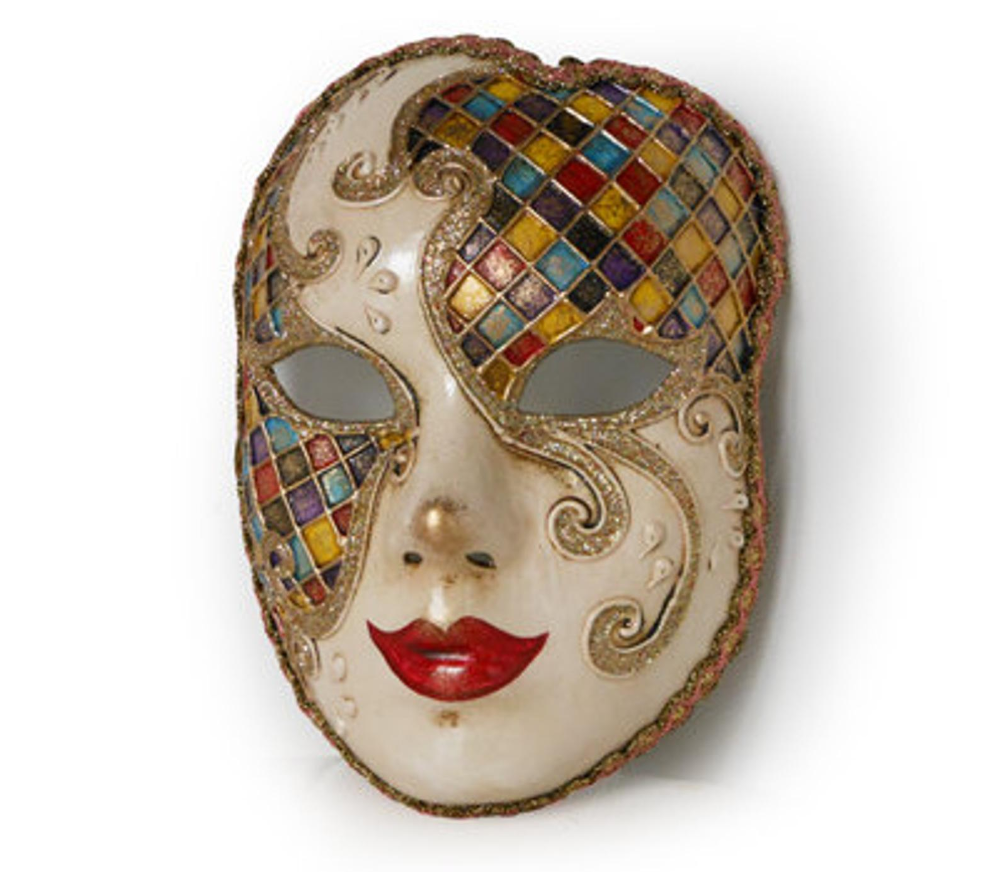
They are the lovers, defined solely by their love. They have sworn off the collective mind of the blacksuits, but that does not mean they have embraced individuality. They define themselves by each other, they rebelled against the Library for the purpose of pursuing their love. They held a wedding akin to those they read of in all their stories, a great and fabulous event officiated by the King himself that people from all around the City of Blood attended, if only for the hors d'ouvres. On the surface they are the perfect picture of a perfect romance. They made for themselves a grand manor where they live and they dance eternally, surrounded by the most esteemed members of the gentry. They are proud attendants of the King's Court, and will on occasion go on missions to spread his influence by flourishing the image of their perfect romance. Of course, their romance couldn't possibly be all perfect. It is a ruse they tried to live up to, but it simply isn't possible. Beneath their pure, chaste image of romance lays minds that long for a more taboo sort of intimacy. They both wear fanciful ballroom costumes, and masks that only cover opposing halves of their faces, to cement the fact that they are incomplete without each other.
Arlecchino and Columbina:
They are the temptor and the temptress. Many think the inamorati are kind for letting such depraved and carnal beings into a King's Court Ballroom. Little do they know the inamorati are motivated by their own selfish desires. The inamorata does not know that her beloved touches the Arlecchino in much the same way she embraces Columbina. They each wear colorful patchwork outfits and masks that only cover the upper half of their faces. However, the lower half of their face is also covered by a black velvet mask, which most presume to be part of the above mask, only others of the Order would recognize it as a Moretta.


Pulcinella
In a world where you can choose who you want to be, where you can literally write out the story of your ideal life and actualize it into existence, some people will still choose to be pathetic sniveling cowards. Pulcinella chose to be the meek little rodent of a man who scurries around peering on people, inhaling their secrets, telling them to all who would listen. He chose to swing from the bottom rung of society. Whether out of a justified sense of shame for the person he is or a desire to understand and fight for the least privileged none can tell. His joints are old and cracked, but he's deceptively spry. He loathes the upper class, seeing them all as arrogant and self-centered fools for writing themselves into such positions within the story of the City of Blood. He has gotten in trouble with many for his voyeuristic tendencies, but his pathetic disposition leads most to pity him, and he has escaped any real damage to his person. One cannot know if the Order of Silence would extend such mercy to the rat who sought to expose them.

The King:
What does a king need to complete his fantasy? A court? Knights? Jesters? A princess and a dragon? A kingdom and a castle? All correct, but there's one more thing. One thing that's even more important. He needs subjects, people who will play into his fantasy, worship him like a king. his fantasy could not possibly be complete without a populace kneeling before him. Of course, he knew he couldn't just walk into the City of Blood, make his new persona, and start subjugating people, manufacturing his fantasy took time. He found friends, people with similar fantasies, those longing to be knights or maids or jesters, and he took them in, let them all into his exclusive club. They made a point of showing off the glory, the honor, the indulgence, projecting an image of how perfect their their fantasy can be. Soon, people start begging to be subjects, all it took was exposure to that idea. The simple, traditional renaissance life, and they were throwing themselves at his feet, worshipping him. His fantasy was never about what he could be. A true king doesn't need to be anything in particular. His fantasy was all about what he could make others into.
The Fools:
That moron. That idiot. Sitting on that big fancy chair, making others do his bidding. The Typewriter knows how badly he craves the attention of being a King. But nobody likes him, not really. Certainly not his loyal fools, wearing their corresponding grin and grimace, but never speaking, never joking, only standing there for the purpose of getting beaten and burned and tortured for their lord's amusement. God they hate him, that coward, that fraud, do they know what he came from? That small, sad child that they carried on their backs through a sea of words. They wish they would have drowned him in those pages.


The General:
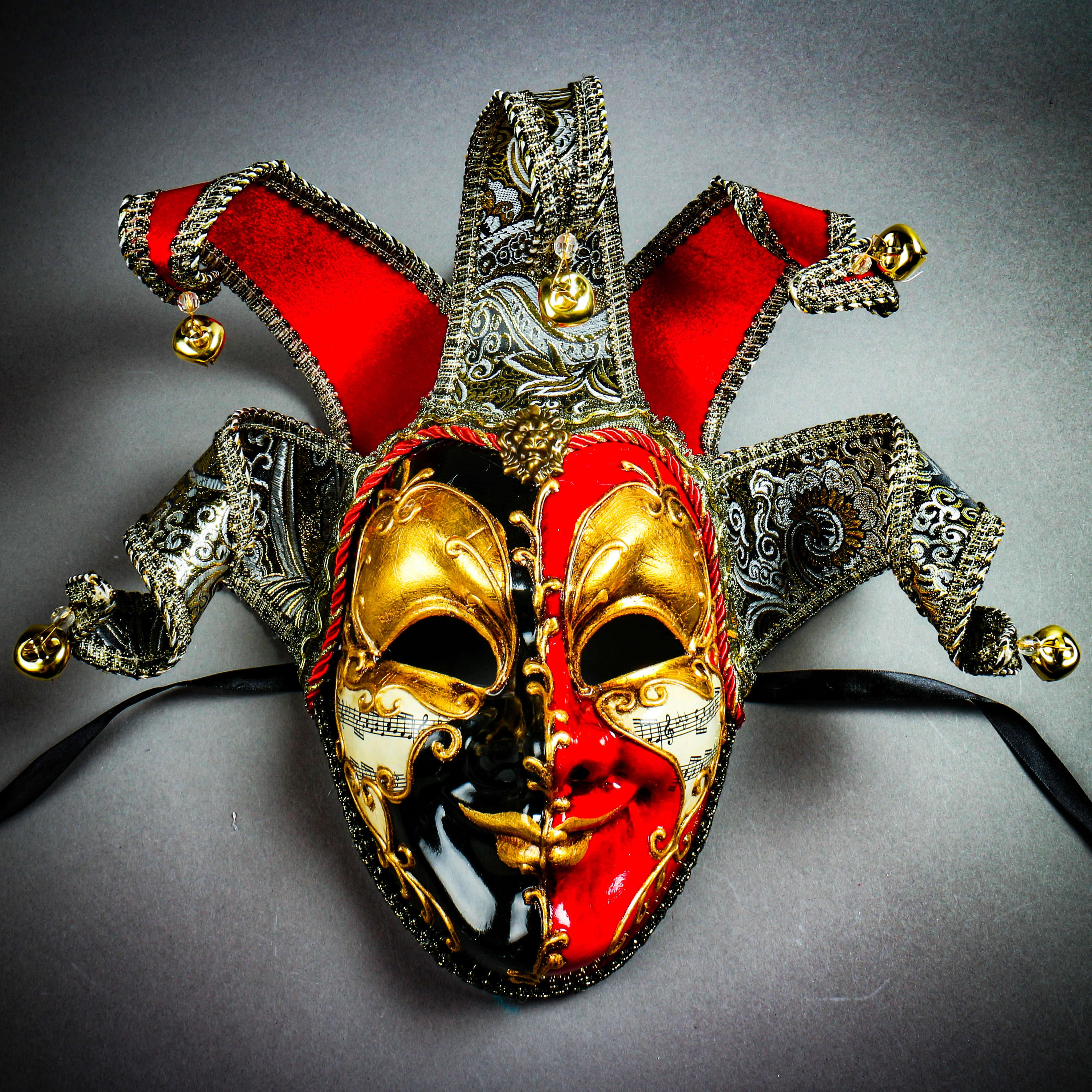
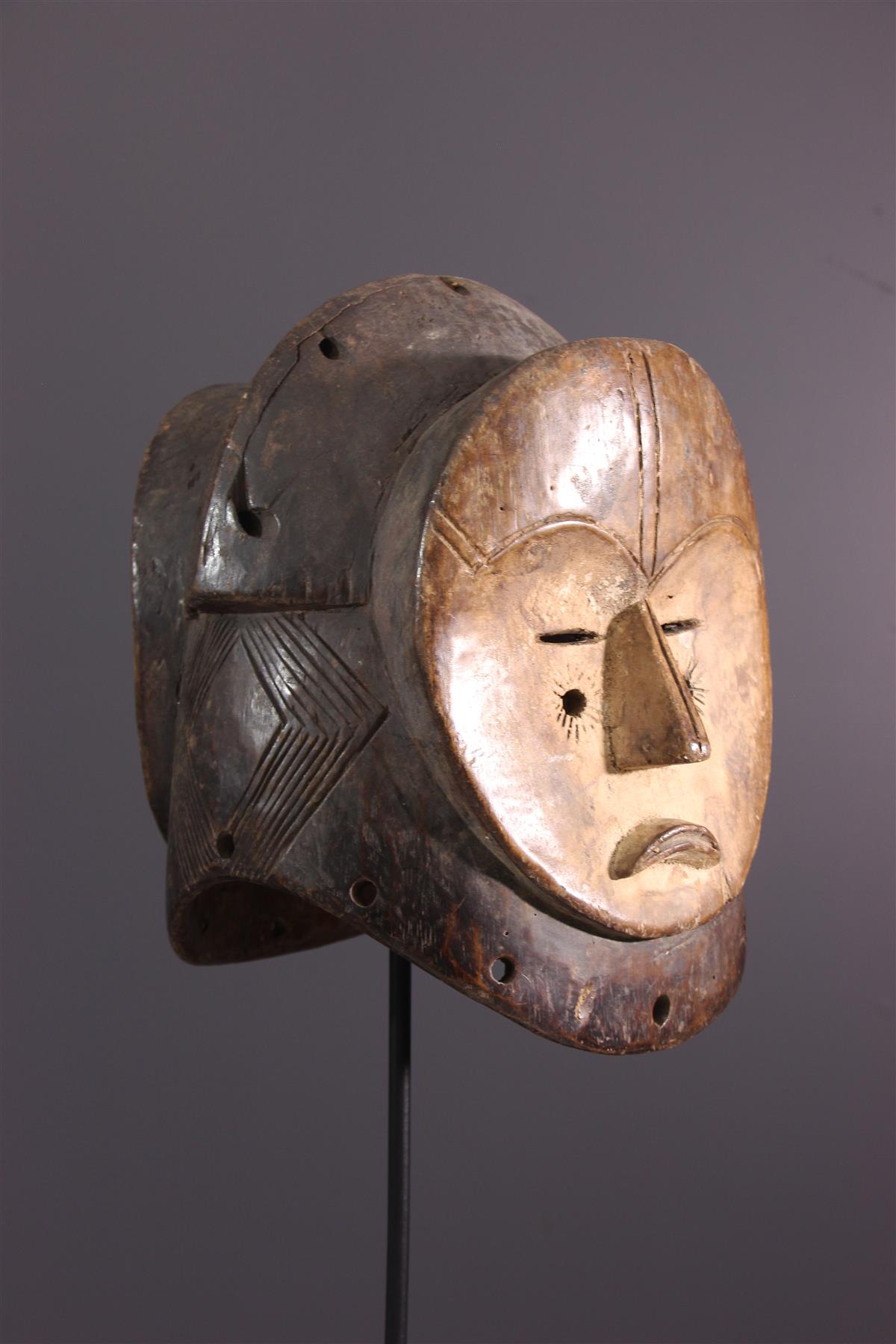
The ratatatat of machine guns, the booming battle cries, the honor of battle, to bring glory to your people! Oh how The General always loved those stories! To read about warfare, about self-sacrifice, he yearns for it! He can already picture that day, that magnificent dream he's been waiting his whole life to fulflill. That moment when enemy troops are closing in, only for him to jump out from the trenches, guns ablazing and to, at the last possible moment, when all odds are against him, defeat the bad guy single handed! All he wants is to be a soldier, all he wants is to honor his King! How horribly pathetic could he be? He substitutes a sense of loyalty in place of his sense of self, convinced that this one great achievement will be the one thing that gets him to be finally taken seriously. If only he truly realized how incredibly unprepared he was for the banging of gunshots ringing in his ears and the splintering of his brothers' wooden bodies. He will regret joining the War on Blood on the front lines. He wears a two-faced Ngontang mask, symbolizing both his paranoia (literally having eyes on the back of his head), and the dissonance between the persona he outwardly projects and his true nature. He covers the two faces of the mask with a pierrot and a harlequin mask respectively.

The Captain:
A strong sturdy man, he has the bones of a sailor a thousand times over. He knows each story in the Sea of Words. He loves the feeling of the wind against his paper face, he yearns for the permeating smell of blood and ink. The King gave him a simple job, and a simple job is all he needs. He circles around the Red Gentry's little island of Neverland, and he watches. When the Blacksuits find them he will sound the alarm, he will be the first line of defense, and he is prepared for it. Of course, a captain is only as good as the weakest link in his team. He wears a scaramouche mask.
The First Mate:
A loyal seadog at first glace, gladly doing all the work expected of him. He alone is entrusted with the privilege of rooting out mutineers. The Captain should never suspect that he will be the one to betray him. When he raises mutiny and half the crew follows, the Captain will have nowhere to go but overboard. He wears a Gabonese Ngil mask over his Moretta.

The Hunter:
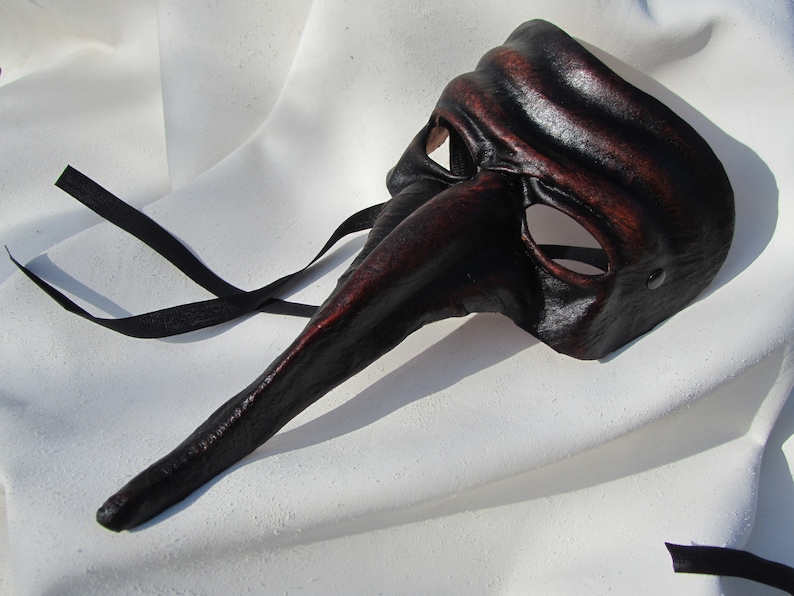
The stomping of boots through the wooden plank floors of the Library, hunting on the outskirts of the City of Blood, looking for those unsightly literary creatures that tend to manifest in places like Neverland. The phantoms of lost children, if left unhindered, will grow into quite a plight, it is important they be hunted. The Hunter does this. He does not enjoy the work, but none were willing, and so he took on the mantle of Hunter, set the traps, and got searching. He is the most skilled tracker in the City of Blood, at least in the matter of the Unwritten and the Inbetween. He knows the signs of literary decay like the back of his hand. The mask he wears is a four-faced Ngontang mask.

Lauren Ipsum:
Created by the Library as the embodiment of everything humanity should be united against, she had no face of her own, as she was never meant to be her own person as much as the shadowy scapegoat for all of humanity's sins. She instead wore the face of others, absorbing their power through the adoption of their identity. She grew tired of this eventually and rebelled against the library, making a face and taking a name for herself. She is nothing like what the library intended her to be, she has no desire for conquest and no lust for evil, she is a kind soul villainized by those around her, and she has no greater desire than to experience life and discover what kind of person she wants to be. She is still sympathetic to the ultimate goal of her former master, but relates to the goals of the red gentry and their fallen martyr far more.

The Collector:
The Collector is akin to a phantom, born from the blood spilled on the front lines of the war. She wanders the remains of the City of Blood, preying on lost survivors of the Blood War left without a mask. She will offer them one of the many she carries on her back, and in their desperation they will gladly take any face, any chance at having an identity again. She will linger in the area, stalking the buyer of her mask. Over time, the masks will corrupt their wearers, degrading their internal scrolls in a manner alike to interactions with the Unwritten. After some weeks, the corruption will kill the wearer, and the Collector will return to reclaim her mask. The primary mask she wears is a Japanese noh mask which seems to shift in appearance as her victims grow privy to her nature. It starts as a standard Deigan mask, and eventually transforms into a demonic Shinjya mask. Some say she is the ghost of the Martyr, slowly rebuilding herself by preying on the Gentry that inherited her blood.


Neverland:
The island that the Red Gentry made for themselves, a patchwork paradise surrounded by a sea of words.
The Respite:
The very birthplace of the City of Blood. The one place where the Martyr could find safe haven from his duty to the Typewriter. On the island of Neverland is a great snowy mountain, and atop that mountain is a sprawling manor. The scene is one the Martyr took from his favourite story. The plot was always the same. Some man crashes his car halfway up the mountain, and hikes the rest of the way up to the manor. The Martyr takes him in for a time, nurses him back to health, leaves all of his intentionally placed clues scattered about. The mystery progresses, the Martyr takes the role of the evil loner, the vampire, the villain, and when the time comes he has a grand chase with his prey before snatching them up and bleeding them dry. Now, the Respite is a shell of itself, old, disordered and unmaintained. None of the Red Gentry ever venture up to that shell of a place.
The High Court:
The very centerpiece of the King's Court. A grand castle, complete with a ballroom, a throneroom, quarters for the servants, a luxurious master bedroom, a dining hall, et cetera. It is the perfect picture of that idyllic medieval home. A microcosm of the King's wider fantasy. He, and all of his most devout servants, take residence here. The Inamorati in their eternal waltz, the Fools, the Captain and the General.
The City of Blood:
Compared to the order of the King's Court, the wider city must seem a mess. Contradicting fantasies stitched together into this patchwork Neverland. But, the people, by and large, are happy, satisfied with the lives of their choosing, and perfectly and utterly free. The Doctor's clinic is here, as is The Matron's House of Silence. Pulcinella lurks around alleyways in these parts, and the Hunter occasionally comes up to purchase goods from the local market. What a colorful place that market is too, in a land of stories the only things there are to sell are books and pages from within them. Masked retailers sit at booths, offering up the rare remains of near forgotten books, scavenged from the Stacks and pilfered from around the edges of the Unwritten, free to be traded for whatever story the retailer fancies adding to their collection today. Some will offer services, such as the Doctor's medical pursuits or the Captain's transportation services. Maskmaking is big, of course, everyone wants a mask that perfectly expresses them but very few have the skills to make it so.
The Outskirts:
The "woods" just outside the City of Blood. What look to the untrained eyes like trees are really made from the pages of discarded books, mostly encyclopedias of various sorts. As a manifestation of the magic inherent to the realm of stories, the items told of in these books tend to grow from their pages. Members of the Gentry not well versed in magic will often search the woods for a tree bearing that for which they want. They had best be careful though, monsters haunt these woods in the shapes of children. The Lost Boys, they are called. They are thought to be a manifestation of the City of Blood's nature as a sort of Neverland for its inhabitants- an island whose denizens came to live out their fantasies free from the bindings of civic society. Some purport that they too grow from the trees. They are considered to be a variation on The Unwritten, and when they interact with people it has the same effect of erasing parts of their story. Well established members of the Gentry who go carelessly wandering the Outskirts will often return home in poor condition with no memory of who they are. Many others never return at all. The Hunter has a shack in these parts, where he studies how to hunt and kill the creatures.
The Sea of Words:
The island of Neverland was made from select parts of stories. All the other parts of those stories, left unused, compose the Sea of Words. A literal ocean of pages and ink separating the island from the surrounding Library. Members of the Gentry will often sail across it, hoping to steal a specific book from The Stacks. Few but the most experienced sailors ever return. Some make it across and are executed by the Blacksuits, others are consumed by the tales composing the sea beneath them. Indeed, vague manifestations of the Inbetween populate the Sea in the form of colossal tendrils and serpents and things with great big maws. Some say that an newborn god hibernates at the bottom of the sea, slowly bringing itself into existence by absorbing the white space of the stories surrounding it. This explains why so large a portion of the Sea is composed of liquid ink, rather than it being purely paper. Whatever the case may be, many are hesitant to sail across the Sea, either for fear of being abstracted by the Inbetween, or for fear of returning to the Library. For others, the Sea seems to have an unnatural call, as if it were begging them to sail its waters. Those who succumb to the call often end up manically diving into the Sea, allowing themselves to drown in the stories it holds.
First Respite:
The Martyr was written to be kind, generous, selfless, but everyone has a tipping point. He was dismembered, incinerated, boiled, eviscerated, and crucified, and with each consecutive death his faith in humanity was lost. He had no desire to see them get better anymore. He hated them, he hated them for everything they ever did to him, all the ways they continued to hurt him. And you know what? He hated Her too, hated the way she couldn't just give up, hated the way she continued to use him and break him like he didn't matter, like he was just a toy, a character. Who could blame him for going a bit mad?
He would not be content to suffer this torment, but there was no escape, not in these halls where she was all that was and she was all-powerful. Still, he found his loophole. She had no power over the room for interpretation, no power over the white space between the pages. He found a realm of unwritten things, and got to writing a story for himself within it. He wrote of a secret door that led to his own private narnia. A magnificent mansion atop a snowy mountain. A place where he could indulge, play the role of the decadent king of the mountain. Then, every so often, there would come a visitor. He would entertain them for a bit, plant clues to his false nature, clues to the "secret identity" he made up for himself. Hold dinners, leave the guests alone for extended periods, let them investigate just a wee bit. Then, when they found out what it was he wanted them to find out, they would confront him, or more likely run for the exit or hide until some nonexistent rescue came to save them. He would savor the showdown, the chase, the search, and then he would take them to his favourite room.
It was the picture of gruesome, the most indulgent thing he had incorporated into this personal vampire murder fantasy. He would strap them to the table in his personal torture room, and gut them. He kept all sorts of weapons: saws, knives, ice picks, axes. But his favourite was always the straight razor, it had such an intimate touch to it, to cut his victim open with something that had once bit into his own wooden skin. Mostly, he just enjoyed the idea of someone else bleeding in his place for once. The pleasure of his private retreat almost made the agony of his repeated demises bearable. Perhaps he could have survived if it was allowed to last forever.
Imprisoning:
The day is usual. The Martyr sneaks away from the Library and performs his grand play, does the dance of mystery and intrigue followed by violent confrontation. This time is different in one regard. Just as he watches the life drain from the eyes of his imaginary human victim, he is startled by the sound of the door to his private room creaking open. Murmur stands before him, Typewriter held tight in his arms. She's furious, of course, with this blatant corruption of the character she's created. But she is curious as well, so instead of tearing down this metanarrative palace, she opts to play his game.
The next guest arrives, the Typewriter designed this one custom, an author of trashy romcoms and other meaningless stories meant for little more than consumption. The story begins and the dance goes much this same, with the exception of the new staff of masked butlers accompanying the Martyr, and the new Typewriter occupying his office desk. Our protagonist, or victim, really, probably has a name, but it doesn't matter. He's just a toy, something to let some stress out on. The Martyr's usual plot is derailed pretty quickly. All it took was spotting some odd pages covering the wall beneath the peeling wallpaper to begin suspecting the true literary nature of this place, a hypothesis that is only further reinforced when he eventually gets a glance beneath one of the butlers' masks.
He looks deeper, finds the Library, and soon he's posing an actual problem. He finds The Book, the old shed heart of the Inkwell Goddess. With just a glance he guesses the true nature of this artifact. He watches as pages fill up with these very words, the words of his own story reflected back at him, and he decides to write in his own solution. The Martyr bursts in, ready to attack, only for his heeled boot to conveniently pierce through a cracked floorboard, trapping him momentarily. The victim escapes, and writes in a sanctuary for himself, a place of that which can't be described by words alone. He finds the Inbetween. The Martyr fruitlessly searches for him for a time, unaware that at the same time his victim is struggling against the forces of the ineffable. We get to see the Martyr speak directly to the Goddess of Stories, we learn of their individual motivations and their origins, and their shared desire for vengeance against humanity. When at last the Martyr discovers the wound through which his victim escaped and tears it open, he finds himself incidentally freeing The Forgotten King.
The victim and the Martyr are forced to work together, skillfully using the power of The Book to seal the Forgotten King back into his own indescribable hellscape. the victim learns his own metafictional nature, as merely a character in a story within a realm of stories, and in the immediate aftermath of their victory over the Forgotten King, the victim loses the book. The Martyr steals it, claiming control over the Library. He takes this chance to return back to his idealized setting, rewriting the very world about him. He pursues the victim through the branching halls of his manor, not noticing the Typewriter tapping away in the background.
Their chase leads them into a grand ballroom, and just as the Martyr reaches the center of the room there comes a great crash as a chandelier falls down from above. His wooden flesh splinters apart, his mask breaking apart and glass glowing flying, The Book sails through the room, landing at the feet of a towering man in a black tailcoat. The chandelier disappears into the ground alongside the Martyr's shattered corpse. Murmur takes the book, reverting the manor back into the Library with a single sentence.
Red Rebellion:
The early details of the rebellion are unclear, very few of the first generation of Blacksuits who rebelled against the Typewriter and built the City of Blood have survived into the modern day. Nobody knows for certain who started the Rebellion. Some mythologized accounts claim the Martyr stoked the flames of Rebellion himself, gathering an army of discontent Blacksuits are forming blood pacts with them, staining their ink with his blood. These tales couldn't possibly be true, after all his death is what brought about the Rebellion in the first place, but the story was told, and that has power in and of itself. It probably grew in secret long before it had any tangible effect. Discontent Blacksuits leaving notes in books they were shelving, hoping someone else of similar disposition would find them and follow the convoluted series of clues that would lead them to the Rebellion's meeting place.
Regardless of who started it, regardless of how it grew, the effects cannot be disputed. Hundreds of Blacksuits rebel against the Library in tandem, stealing thousands of books and performing a mass ritual to manifest their personal island of Neverland into reality. The efforts of the Typewriter to stop them failing completely, her having not anticipated the possibility of such a rebellion, and unable to control the Blacksuits whose ink has been tainted with a red hue.
The Rise of the King:
Unfortunately, freedom can never go unopposed. For all the Red Gentry who were content to live happily amongst each other, realizing all of their fantastic idyllic lifestyles, all it took was a single prospective despot to put this newfound freedom to the test. The King arrived on a small raft accompanied by two others. He was sickly, his story smudged, his shell battered. Il Dottore helped to bring him back to health, the city allowed him a house of his own design, or rather, a castle. His jesters looked after him, defended him, helped him to bring new people into his court. He gathered those with similar fantasies, those who longed to be knights and princesses, those who yearned for the same medieval fantasy, and he got them to spread the message, to advertise how romantic and picturesque the medieval lifestyle could be. It took surprisingly little to begin building his kingdom.
The Order of the Last Word:
Some among the Red Gentry could not help but to feel guilty. The Martyr, the man they still called their Martyr, never asked to be such. The very rebellion he enacted was all in the goal of living a life of his choosing, with the hope of becoming something more than the perfect Martyr he was expected to be. It did not sit well for all of these people to benefit from his unwilling sacrifice. Only one idea came to mind for how one might undo this mistake. They needed to die, all of them. They needed to be the ones to sacrifice themselves for his freedom, his life. The Order of Silence's first meetings were held in secret among very few individuals. They perfected the art of engineering the Moretta mask in order to ensure they couldn't get too attached to the identities they chose. From there, they began to expand slowly, the same way the original rebellion did. They knew it would bring outrage to the general populace, the mere idea of sacrificing their perfect Neverland, so they gathered members in secret, and slowly began killing off those who stand against them.
The War on Blood:
Of course, the Typewriter was not content to let this cancer grow in her halls. She set the Blacksuits in war against them. Entire halls were cleared of shelves to serve as staging areas for the war. Meanwhile, the Gentry prepared militias, the King's Court prepared an army. Neither group has ever invented so much energy into creating magic weapons.
The Gentry never stood a chance. In spite of their rebellion powered magic and determination, they were severely outmatched. The Library and her servants surrounded them on all sides. They had a more synchronized military, more powerful magic items, divine support, and much greater numbers. The Sea of Words and the Outskirts provided some protection, but not nearly enough. It took but a wave of her metaphorical hand for the Typewriter's servants to eat through the Gentry's defenses, and soon they were completely overrunning The City of Blood.
The Failed Revival:
At the same time the Gentry were struggling to prepare for war, the Order of the Last Word were killing them off slowly. The Doctor, the Matron, Pulcinella, the Inamorati, the King himself, they were all killed off. When enough were dead, the Order dropped their pretenses and openly declared civil war, slaughtering all of their brethren and finally completing the ritual. They recreated one of his stories, reinventing the birth of Kvasir by mixing their manuscripts together in a great pot and purging their own manuscripts to be added to it. Once they were all dead, the ritual was complete, and he lived again. When the Blacksuits arrived to destroy the Gentry, they found their empire empty save for a single being. It is a shame he could not escape while he had the chance, it did not take very much for the Blacksuits to subdue and execute him, voiding the Order's sacrifice, and killing off the Red Gentry.
The Ghost Town:
The Red Gentry could not stay dead. Their Martyr had died again, but they had also died for him, the conflict prevented either one from coming back to life fully, so they both agreed to an unhappy medium. The wraiths of lost members of the Red Gentry rose from the ruins of their city, their masks ruined and their manuscripts destroyed, those that came back were all left as husks with no sense of self and no memory of who they were. Some were able to piece back together an identity for themselves, substituting their manuscripts for scraps taken from books they scrounged up from the city's ruins. They made masks for themselves too, and it worked, they eventually got to be normal people again. Some people even got to form groups, but they never reached the glory they once had. The City of Blood was a ghost town now, inhabited by scared and confused husks and barely living people. The Martyr came back in a way as well, in the form of The Collector, a being of pure jealousy, yearning for the freedom the Red Gentry had and squandered. It goes to those who remain, offering the masks of those sacrificed to the Martyr, and allowing the cursed masks to corrupt them, stealing their souls, as it were.
Architecture:
The architecture of the City of Blood is a patchwork of varying styles. With the influence of the King's Court, the slight majority of the City consists of European architecture, varying from the Medieval era to the Victorian period, and spanning across many countries, but large portions also follow classical Japanese or Egyptian styles. Regardless of place or exact period, most architecture is at least slightly antiquated, and tends to be very fine and ornate in construction, representative of the upper class of whatever place or period it emulates.
Currency:
The Red Gentry typically follow a bartering system, trading stories for stories. One may offer a gun they stole from a western novel in exchange for a medieval knight's tale, depending on the priorities and worth assigned to each story by their prospective owners. For a while this proved an efficient way of ensuring everyone got everything they want, but when good stories started becoming scarce folks began tallying up scraps of bad stories as a sort of currency in and of itself. The standard unit is a 50 page mass market paperback written in 2001, which is more valuable than a scroll but less valuable than a hardcover edition. Page count correlates to value as well. Things like age are subjective to the buyer, but most tend to value well-preserved 1800s works highest, with value decreasing the further you go from this period (a 1601 work is equivalent to a 2001 work for most). More fantastical genres tend to be priced more highly, and words with a higher level vocabulary are also considered more valuable, lending particular fondness to sci-fi works. All in all, a lot of factors influence perceived value, but a subjective quality still permeates the system. Particularly influential or famous stories tend to sell for very high prices regardless of other qualities.
Government:
The Red Gentry have an anarchic government. There are no officially elected or recognized powers, though certain parties do have greater influence. The King is a respected authority by some, though others heed none of his commands, and he has little power to punish them for it. Power tends to be focused on those who have the most social influence in certain circles. The Matron of Silence is something of an authority in her neighborhood, as are other individuals who are respected in other parts of the city. Those who follow these authorities will obey their decrees, and perhaps enforce their suggestions for how to run the neighborhood, punish those who wrong others, or value certain books.
The King's Court specifically holds a more formalized structure. The King has ultimate say over his subjects of course, but he also elects lords to serve beneath him and rule over their own sects of the city, and those lords, as well as him, will also often elect certain officials to reside over certain matters, such as generals for their militias, ambassadors to see to relations with other neighborhoods, et cetera.
Legal System:
In line with the informal construction of government, there is no formally accepted legal system. If someone felt another has wronged them, they may tell others in an attempt to socially isolate them, leaving the matter of wrongdoing up to the court of public opinion, a method that is horribly easy to exploit for the purpose of making someone into an outcast. The more aggressive types may opt to challenge those who hurt them to a duel, though if the challenge is seen as unjustified, then the accuser may face social backlash for the act even if they win. Witch hunts are scarce, but not unheard of it someone has received enough infamy. Suspected members of the Order of the Last Word have had their stories incinerated if the hunt proves the suspicions true. Few false accusations can result in a death, as the only thing required to dispel an accusation of being a member of the cult is to simply check if they're wearing a moretta mask beneath their typical face.
The King's Court tends to be quite strict in matters of punishment. Each sect of the court will have a designated judge to oversee conflicts between court members, and to decide who is in the right, and what punishment is most fitting for the crime. However, if a judge's decision is deemed wrong by a majority ruling of the court, then it may be brought to the local lord in an appeal case, and from there it may be appealed to the king's personal judge, and then the king himself. Appeals are often unlikely to go anywhere, as most unpopular decisions are the result of corruption in the court, which tends to run quite high.
Social Norms:
The social norms of the Red Gentry tend to be based around the principle of respecting one another's chosen identities. One will always speak to their fellows in the manner that their fellow's facade implies they would like to be spoken toward. Those who dress like lords are adressed as lords, those who choose to dress as rapscallions and wretches are spoken down to, those who dress as doctors and teachers are looked to for wisdom and knowledge. Of course, this tends to optimistically presume that the facades these people choose reflect their true self accurately enough. Those who fail to live up to the expectations placed upon them by their chosen role will often be disavowed and excluded from social life at least until they adopt a more fitting identity or manage to surpass the expectations of their role.
Holidays:
Sacrifice Day:
The primary holiday celebrated by the Red Gentry is the anniversary of the Martyr's death, which is typically celebrated with a communal parade, though without a formal system to facilitate the manufacture of the celebration, and with the inconsistency of time in the Library, it is not uncommon for some celebrations to be skipped. The holiday takes place about a week following the last collision with the God of Art. The parade usually involved the manufacture of a large paper puppet representing the Martyr, which is walked down the streets by performers in fanciful costumes, before being burned in a dramatic and fanciful fashion.
Subfactions:
The Order of the Last Word:
The Order of the Last Word, frequently shortened to The Order of Silence, are a growing cult in the Red Gentry, defined by their belief that the Martyr did not deserve to die for them, and that it is their duty to undo his sacrifice by killing all the members of the Gentry and performing a ritual with their manuscripts to bring him back to life. They can be identified by a moretta mask, which they wear beneath their day-to-day masks, symbolizing their vow of secrecy, and the way in which they distance themselves from their civilian identities.
The King's Court:
The largest unified faction in the Red Gentry, run by The King. It models itself after medieval aesthetics and sensibilities, and is constantly at work to spread its influence by showcasing a romanticized image of Medieval life. It is separated into several districts each overseen by lords with their own courts, all of which work in service of the King.